
Small White Spider: Everything You Need to Know

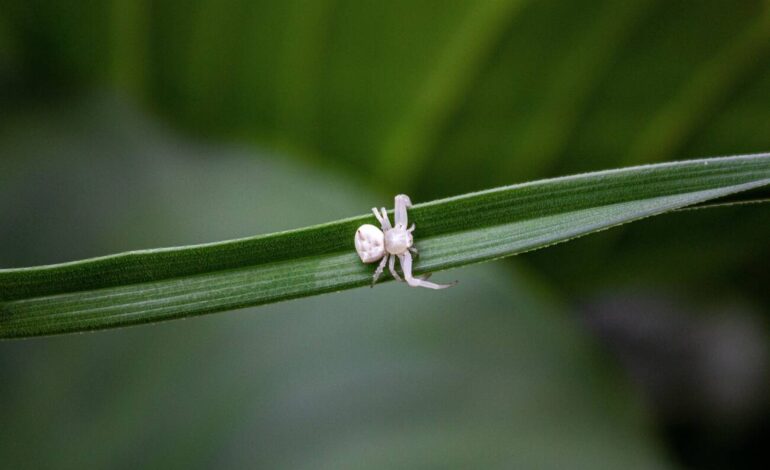
The small white spider, often overlooked due to its diminutive size and pale coloration, holds a fascinating place in the world of arachnology. While sometimes dismissed as insignificant, plays a crucial role in the ecological balance of gardens and homes, controlling insect populations.
Understanding these creatures is essential for anyone keen on maintaining a healthy, biodiverse environment around them. Their intriguing life cycle, feeding habits, and occasional interactions with humans make them a subject worth exploring for enthusiasts and experts alike.
This article aims to shed light on the small white spider, offering insight into how to identify these spiders and delving into the common species encountered in various environments. It will explore their diet and feeding habits, detail their life cycle and reproduction patterns, and assess the potential dangers they pose to humans.
Additionally, strategies for preventing and managing infestations will be discussed, providing a comprehensive overview for those concerned with or curious about these tiny white spiders.
Identifying the Small White Spider

Identifying these spiders involve understanding its physical characteristics and behavior, as well as recognizing its habitat. This section delves into the specifics of these aspects to aid in the identification process.
Physical Characteristics
These spiders, particularly notable for their pale coloration, stand out against the more common black or brown spiders. Among the various species, the female’s body length can reach up to 10 mm, while males are slightly smaller at 6.2 mm.
When including their legs, these spiders span approximately 3 cm across. Their color can vary from pure white to yellow, depending on environmental factors. The legs and head of these spiders are almost translucent, which can make them harder to spot.
One species, Thomisus spectabilis, exhibits a unique ability to change color from yellow to white. This transformation is not just for camouflage from predators but also assists in preying on insects that are attracted to similarly colored flowers.
The spider’s color change is uniform across its head, legs, and abdomen, helping it blend seamlessly with its surroundings. Their eyes are small and black, set in a white band across the head, giving the appearance of a mask. The abdomen is pentagon-shaped with two small bumps, and they possess stout legs arranged in a crab-like fashion, which is where they get their common name, crab spiders.
Behavior and Habitat
The behavior and habitat of small white spiders are closely linked to their survival strategies. Australian crab spiders, for example, select habitats that enhance their ability to catch prey. This involves choosing flowers that contrast with their body color to maximize visibility to potential prey.
They are attracted to newer flowers through olfactory cues and are commonly found in tropical or subtropical areas, with some preferring even suburban settings like backyards and gardens. Interestingly, these spiders do not build webs for catching prey.
Instead, they rely on ambush and camouflage, using their silk to construct retreats for resting during the day and emerging at night to hunt. The White Porch Spider, another species, is found beneath rocky overhangs and in crevices, as well as around human constructions where its pale coloring provides excellent camouflage.
This species builds a tangled web with sticky lines for capturing prey, often in locations that offer both shelter and a steady supply of insects attracted to house lights. In summary, identifying them requires attention to their unique physical features and understanding their behavior and preferred habitats. Their ability to camouflage and the specific environments they inhabit are key factors in recognizing these intriguing creatures.
Common Species of Small White Spiders
White Porch Spider

The White Porch Spider, scientifically known as Cryptachaea gigantipes, predominantly resides on the exteriors of houses, particularly in Eastern Australia. Its natural environment includes rocky overhangs, crevices, and cave entrances within the sandstone regions along Australia’s east coast, where its camouflage capabilities are highly effective.
This species also adapts well to human environments, finding shelter in areas like eaves and verandas of buildings, which offer both protection and a rich supply of insect prey attracted to lights. The White Porch Spider constructs a distinctive, tangled web with sticky lines for capturing insects, unlike the denser retreats of its relatives.
While bites from this spider are rare, they can cause symptoms such as pain, swelling, and muscle aches, but usually, no first aid is required beyond applying a cold pack to reduce discomfort.
Yellow Sac Spider

Yellow Sac Spiders, belonging to the family Clubionidae, are nocturnal hunters known for their pale yellow to light greenish or even whitish coloration. These spiders do not rely on webs to capture their prey; instead, they are active hunters, wandering in search of insects during the night.
They create silken sacs in secluded corners or behind objects, where they seek refuge during the day. Yellow Sac Spiders are often found in homes, wandering across ceilings and walls, and their bites are more common than those of any other spider type.
The bite is typically very painful, causing symptoms like swelling, redness, and in some cases, systemic reactions. Despite their small size, these spiders exhibit aggressive behavior and can bite without provocation.
Crab Spiders

Crab Spiders, part of the extensive Thomisidae family, are distinguished by their uneven leg lengths, which give them a crab-like appearance and movement. These spiders exhibit a remarkable diversity, with over 3,000 species within the family. Female crab spiders are significantly larger than males, especially when carrying egg sacs.
Their hunting strategy involves camouflage and patience, waiting in their nest for prey to come within reach before using their powerful front legs to immobilize it with venom. Crab spiders can be found in a variety of environments, including grasslands, tropical climates, and woodlands.
They are beneficial to ecosystems, preying on insects like bees, mosquitos, and flies. Unlike many spiders, crab spiders do not spin webs but instead rely on their ability to blend into their surroundings to capture prey.
These species represent a small fraction of the diversity within the small white spider category, each with unique characteristics and behaviors that contribute to their ecological roles. Whether it’s the White Porch Spider’s adaptability to human environments, the Yellow Sac Spider’s nocturnal hunting habits, or the Crab Spider’s camouflage techniques, these species offer fascinating insights into the world of arachnids.
Diet and Feeding Habits
White spiders, like their larger counterparts, exhibit a carnivorous diet, primarily feeding on a variety of insects and other small arthropods. Their dietary preferences include tiny insects such as fruit flies, gnats, aphids, and other small creatures they can easily catch and overpower.
This section delves into the intricacies of their feeding habits, shedding light on the diversity of their diet and the methods they employ to capture and consume their prey.
Variety in Prey
The diet of these small spiders is remarkably varied, encompassing a wide range of very small insects and arthropods. Among the commonly consumed prey are Drosophila melanogaster fruit flies, which are a staple in the diet of baby spiders.
As spiders grow, their diet diversifies to include pinhead crickets, highlighting the adaptability in their feeding habits as they transition from infancy to adulthood. The capability of these spiders to subdue prey larger than themselves, such as crickets almost twice their size, underscores their strength and efficiency as predators.
Hunting and Feeding Techniques
Small white spiders employ a range of hunting and feeding techniques, indicative of their adaptability and predatory prowess. Instances where spiders have been observed riding on the backs of larger crickets, akin to a cowboy at a rodeo, until they can envenomate their prey, showcase their strategic approach to overcoming challenges in feeding.
The ability to consume prey larger than themselves is facilitated by their fangs, which inject venom to subdue the prey. This venom not only paralyzes but also begins the process of digestion externally, allowing spiders to consume their prey more easily.
Environmental Influence on Diet
The environment plays a significant role in the availability and type of prey for them. In habitats rich in leaf litter and grass, tiny flies and springtails become potential food sources, often going unnoticed by humans but serving as crucial sustenance for these spiders.
The diversity of prey in different environments underscores the adaptability of these spiders to various ecosystems, from gardens and woodlands to human dwellings.
Cannibalism and Alternative Food Sources
Cannibalism among hatchlings and the consumption of silk produced by spiders themselves are notable aspects of their diet. This behavior points to the opportunistic nature of their feeding habits, where survival often necessitates the consumption of available resources, including other spiders and their own silk.
Furthermore, the diet of very young spiders, such as Argiopes, includes not just animal prey but also pollen caught in their webs, providing a significant source of protein.
Survival Strategies
Small white spiders exhibit remarkable survival strategies, particularly in lean times. Their venom plays a crucial role in preserving the insides of prey, creating a larder that ensures a steady supply of food. The ability of spiders to survive on a store of nutrients from their eggs or to find food in seemingly barren environments highlights their resilience and efficiency as predators.
In conclusion, the diet and feeding habits of sare characterized by diversity, adaptability, and strategic hunting techniques. From consuming a variety of small insects and arthropods to employing venom for subduing and digesting prey, these spiders demonstrate remarkable survival strategies that contribute to their success as predators in various ecosystems.
Life Cycle and Reproduction

Egg Laying and Incubation
Female spiders, such as the common house spider (Parasteatoda tepidariorum), produce a significant number of eggs during their lifetime. Each female can deposit up to 250 eggs into a silk sac, which is often brown and flask-like in shape. Throughout her life, a female may produce up to 17 of these sacs, resulting in a potential total of over 4,000 eggs.
The eggs generally take a few weeks to hatch, with variations depending on species and environmental conditions. In some spiders, like wolf spiders, the mother carries the egg sac with her, providing protection until the spiderlings are ready to emerge.
Spiderling Development and Dispersal
Upon hatching, spiderlings undergo several developmental stages known as instars. The initial instar occurs inside the egg sac. For instance, male common house spiders undergo six instars, while females undergo seven.
The young spiders, or spiderlings, then utilize a method called ballooning, where they release silk threads to catch the wind and disperse to new habitats. This method of dispersal can carry them to remarkable heights and across long distances, aiding in their survival and spread.
Maturity and Reproductive Behavior
Spiderlings grow through successive molts, shedding their exoskeleton multiple times before reaching maturity. The duration and number of these molts vary widely among species, typically ranging from five to ten molts. Adult spiders are primarily focused on reproduction.
Males, often much smaller than females, face the significant challenge of approaching potential mates without being mistaken for prey. They employ various strategies such as emitting pheromones, performing distinctive dances, or producing vibrations to communicate their intentions and species identity to females.
Courtship and Mating
Courtship rituals in spiders can be elaborate, involving a combination of movements, vibrations, and chemical signals. Males may destroy a female’s web to prevent other males from detecting her pheromones or may engage in combat with rivals.
Successful males then proceed to mate, using pedipalps to transfer sperm to the female. Some species, such as tarantulas, continue to molt even after reaching maturity, affecting their reproductive cycles.
Fertilization and Egg Protection
After mating, females store sperm and can lay hundreds to thousands of eggs, depending on the species. They protect these eggs in silk cocoons, which shield the eggs from environmental threats and predators. In some species, the female continues to guard the cocoon and the emerging spiderlings, providing them with a greater chance of survival.
The intricate relationship between the structure of male and female reproductive organs, often described as a lock and key system, ensures species-specific mating. This detailed look into the life cycle and reproductive behaviors of spiders highlights the complexity and diversity of these arachnids.
From egg laying to the nurturing of spiderlings, each stage is crucial for the survival and proliferation of spider species across various environments.
Potential Dangers to Humans

Venom and Bites
All spiders possess venom, but not all are harmful to humans. In the United States, the primary concern is from species like the black widow and brown recluse, which can inject venom potent enough to cause serious medical issues.
Most spiders, such as the Crab spider or White spider (Misumena vatia), have venom that causes only mild effects and is not considered deadly. However, the White widow spider (Latrodectus pallidus) is an exception, with bites that can be deadly, particularly to children or individuals with compromised health.
Symptoms and Treatment
The symptoms following a spider bite can vary widely depending on the species. Common reactions include swelling, redness, pain, and in some cases, more severe symptoms such as muscle cramps, fever, and nausea.
For non-venomous spider bites, treatment typically involves home care steps such as applying ice packs to reduce swelling, cleaning the area with soap and water to prevent infection, and using over-the-counter pain relief medication.
For bites from venomous spiders like the black widow or brown recluse, immediate medical attention is crucial. Symptoms from these bites can escalate quickly, presenting severe pain, muscle spasms, and in rare cases, necrosis of the skin around the bite. Medical treatments may include antivenom, pain relief, and in some cases, antibiotics to prevent secondary infections.
In summary, while most white spiders pose minimal threat to humans, certain species can be hazardous. Awareness of these spiders and their potential dangers can help in preventing and appropriately responding to spider bites.
Preventing and Managing Infestations
Preventing and managing infestations of small white spiders and other pests begins with a thorough understanding of how these creatures enter homes and what conditions encourage their presence. By addressing these two critical aspects, homeowners can significantly reduce the likelihood of infestations.
Reducing Humidity
- Implement Dehumidification Strategies: Spiders thrive in moist environments, which are also attractive to insects that spiders prey upon. Using dehumidifiers and improving ventilation can lower humidity levels, making your home less inviting to spiders.
- Ventilation Improvement: Especially in areas like attics and crawl spaces, enhancing airflow can reduce moisture significantly. This not only deters spiders but also reduces the insects they feed on.
- Use of TAP Insulation: Installing thermal acoustical pest control (TAP) insulation in attics and crawl spaces can create environments that are less supportive of insect populations, indirectly affecting spider presence.
Cleaning and Sealing Entry Points
- Identify and Seal Cracks and Gaps: Regular inspection of your home’s exterior is crucial. Look for any openings that could serve as entry points for spiders, such as gaps under doors, cracks in the foundation, or tears in screens.Entry Point LocationsSealing MethodsDoors and WindowsInstall door sweeps, replace weather stripping, and repair damaged screens.Foundation and WallsUse caulk, foam, or concrete patch for cracks and gaps.Utilities and VentsSeal around pipes and cables with caulk or foam sealant; cover vents with mesh screens.
- Maintain Cleanliness: A tidy home is less attractive to spiders and the insects they hunt. Regular vacuuming can remove spiders, webs, and egg sacs, reducing their numbers and preventing future infestations.
- Control Food Sources: By keeping your house clean and free of other pests, you eliminate the primary food source for spiders. Ensure food is sealed, and trash is properly managed to avoid attracting insects.
- Humidity and Environment Control: Apart from cleaning, controlling the environmental conditions such as humidity can significantly impact spider populations. Lower humidity levels result in fewer insects, which in turn reduces spider presence.
By combining efforts to reduce humidity, clean, and seal entry points, homeowners can create a less hospitable environment for white spiders and other pests. Regular maintenance and vigilance are key to preventing infestations, ensuring that your home remains a comfortable and pest-free environment.
Conclusion
Throughout this exploration of the small white spider, we’ve delved into various aspects of these fascinating creatures, from their physical characteristics and habitats to their crucial roles in ecosystems as natural pest controllers.
The intricate details of their life cycles, reproductive behaviors, and dietary habits shed light on the complexity and adaptability of these spiders, highlighting their importance in maintaining ecological balance. By understanding how to identify these spiders and acknowledging their positive contributions, we can foster a greater appreciation for their presence in our surroundings.
While the potential dangers posed by certain spider species cannot be overlooked, it’s clear that the majority of them offer more benefits than risks to humans. By implementing effective prevention and management strategies, we can coexist with these spiders, minimizing any negative impacts while taking advantage of their natural pest control capabilities.
As we continue to study and understand these creatures, their remarkable resilience and adaptability serve as a reminder of the intricate connections within our ecosystems and the valuable roles that even the smallest beings play in the natural world.