
Shabana Mahmood: An In-depth Analysis of Her Parliamentary Career

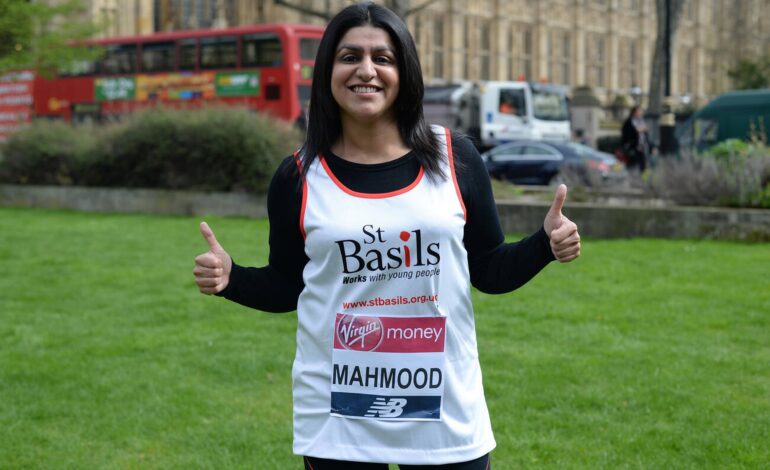
In the pulsating heart of British politics, Shabana Mahmood has emerged as a significant force within the Parliamentary landscape. As an MP, her career encapsulates a blend of diligent service, notable achievements, and a committed advocacy for her constituents and broader national issues.
This analysis aims to cast a spotlight on her journey, illustrating the vital role she plays in the UK’s legislative body and the impact of her work on shaping policy and public opinion.
Shabana Mahmood’s trajectory from a legal professional to a prominent political figure underscores the dynamic interplay between law, politics, and public service, marking her as a notable personality in contemporary British politics.
The ensuing sections will delve into the fabric of Mahmood’s career, beginning with her early life and education, which set the foundation for her subsequent legal career. We will then trace her transition into the political arena, highlighting key milestones, her current role and activities, and the distinctive contributions she has made to her party and parliamentary proceedings.
Through this comprehensive exploration, readers will gain insight into the factors that have shaped her parliamentary career and the significance of her contributions to political discourse and policy development in the UK.
Early Life and Education

Family Background
Shabana Mahmood was born on 17 September 1980 in Birmingham, to Zubaida and Mahmood Ahmed. She has a twin brother, and her early childhood years from 1981 to 1986 were spent in Taif, Saudi Arabia. This was due to her father’s occupation as a civil engineer working on desalination projects. The family returned to Birmingham, where Mahmood grew up.
Her mother managed a corner grocery shop the family owned, and her father took an active role in local politics as chair of the local Labour party. Mahmood, even as a teenager, engaged in campaigning for local elections alongside her father, laying the groundwork for her future in politics.
Education and Early Ambitions
Mahmood’s educational journey began in Birmingham at Small Heath School and King Edward VI Camp Hill School for Girls, following an unsuccessful attempt at the eleven-plus exam. Her academic pursuits led her to Lincoln College, Oxford, where she studied law and served as the president of the Junior Common Room (JCR).
During her time at Oxford, she interacted with Rishi Sunak, a senior student who would later become the Prime Minister, who supported her in a JCR election. In 2002, Mahmood graduated with a Bachelor of Arts degree in law and went on to complete the Bar Vocational Course at the Inns of Court School of Law in 2003, supported by a scholarship from Gray’s Inn.
Her specialization in professional indemnity marked the beginning of her legal career, working at 12 King’s Bench Walk and Berrymans Lace Mawer until 2007. During her twenties, she resided in Stratford, London, further honing her legal expertise before transitioning into a political career.
Legal Career of Shabana Mahmood

Specialization and Achievements
Shabana Mahmood’s legal career commenced after completing her Bar Vocational Course at the Inns of Court School of Law in 2003, supported by a scholarship from Gray’s Inn. She specialized in professional indemnity, a niche that deals with claims against professionals alleging negligence or breach of duty.
Mahmood practiced at notable chambers, including 12 King’s Bench Walk and Berrymans Lace Mawer, where she honed her expertise from 2003 to 2007. Her proficiency in handling complex legal issues in this area distinguished her within the legal community.
Noteworthy Cases
While specific cases of her early legal career are not extensively documented, her specialization in professional indemnity would have involved her in significant legal disputes concerning professional negligence. This area of law typically includes defending professionals such as architects, engineers, and medical practitioners.
Mahmood’s legal practice would have required a meticulous understanding of both the law and the professional standards applicable to each case. Her experience in these legal battles not only refined her analytical and advocacy skills but also prepared her for the multifaceted challenges of political life.
Political Career

Shabana Mahmood’s political career commenced with her entry into the House of Commons on 6 May 2010, following the general election. As the Labour MP for Birmingham, Ladywood, she has continuously served since then, marking a significant journey in British politics. Mahmood’s career is characterized by her dedication to public service and her active participation in various parliamentary committees and roles within the Labour Party.
Entry into Politics
Mahmood was elected as MP for Birmingham Ladywood with a commanding 55.7% of the vote, achieving a majority of 10,105. Her election was historic as she, along with Rushanara Ali and Yasmin Qureshi, became one of the UK’s first female Muslim MPs. This milestone underlined the diversifying landscape of British politics and represented a significant step towards inclusivity.
Key Positions Held
Throughout her parliamentary career, Mahmood has held several key positions, reflecting her versatility and commitment. Notably, she served in a number of front bench positions under Ed Miliband’s leadership, including Shadow Minister for Prisons, Shadow Minister for Higher Education, and Shadow Financial Secretary to the Treasury.
Mahmood’s roles have spanned across different facets of governance, from education to financial affairs, showcasing her broad expertise.
- Shadow Chief Secretary to the Treasury (8 May 2015 to 14 Sep 2015)
- National Campaign Coordinator (9 May 2021 to 4 Sep 2023)
- Shadow Secretary of State for Justice (since 4 Sep 2023)
Her tenure has also included significant committee work, demonstrating her commitment to scrutinizing government activities and policies.
- Member, Public Accounts Committee (2 Mar 2020 to 20 Apr 2021)
- Member, International Trade Committee (31 Oct 2016 to 3 May 2017)
Legislative Contributions
Mahmood’s contributions to legislative proceedings are noteworthy. She has been an active participant in debates and discussions, with her spoken contributions documented in Hansard records. These contributions span a wide range of topics, reflecting her engagement with diverse issues affecting her constituents and the nation.
Her legislative work is a testament to her dedication to public service and her role as a significant voice in the UK Parliament. Shabana Mahmood’s political career is marked by her steadfast commitment to her constituents in Birmingham, Ladywood, and her significant contributions to the Labour Party and the broader legislative process. Her roles and responsibilities over the years underscore her importance as a key figure in British politics.
Current Role and Activities

In her current capacity, she serves as the Shadow Secretary of State for Justice, a role she has held since September 2023. This position places her at the forefront of the Labour Party’s justice agenda, where she is responsible for critiquing the government’s policies on justice and proposing alternatives. Her appointment by Keir Starmer, who views her as an ally, underscores her influence within the party and her commitment to addressing justice-related issues in the UK.
Shadow Secretary of State for Justice
Mahmood’s role involves a comprehensive overview of the UK’s justice system, aiming to ensure fairness, efficiency, and accessibility. She actively engages in parliamentary debates and discussions related to justice, bringing attention to critical matters affecting the legal system and its stakeholders.
Despite not being a member of any All-Party Parliamentary Groups (APPGs) currently, her past involvement in APPGs related to Bangladesh, the Commonwealth Games, and Hajj and Umrah highlight her broad interests and commitment to various causes.
Recent Initiatives and Campaigns
Mahmood’s tenure is marked by active participation in campaigns and initiatives addressing pressing societal issues. Her efforts include:
- Addressing the economic dissatisfaction among Birmingham Ladywood residents, with a significant majority expressing concerns over the government’s handling of the economy.
- Highlighting the slow progress in remediation works on buildings clad in combustible materials in the West Midlands.
- Advocating for improvements in the exempt accommodation sector, emphasizing the need for a more effective system following a landmark report.
- Responding to the cost of living crisis, particularly the impact on Ladywood families during the winter.
- Campaigning for environmental cleanliness in Birmingham and advocating for government action on the cladding scandal and rising energy bills.
Furthermore, Mahmood has co-sponsored bills such as the Supported Housing (Regulation) Bill 2019-21 and the High Performance Vehicle Renting (Regulation) Bill 2019-21, demonstrating her commitment to legislative change. Her leadership in adjournment debates on issues like the financial sustainability of football clubs and the detention of Uyghur Muslims in Xinjiang further illustrates her diverse interests and dedication to justice and social welfare.
Conclusion
Throughout this analysis, we have traced Shabana Mahmood’s journey from her early days in Birmingham to her significant impact within the UK Parliament. Her multifaceted roles, from handling complex legal issues as a professional indemnity specialist to championing justice and inclusivity as the Shadow Secretary of State for Justice, underscore the breadth of her contributions to political discourse and policy development.
Mahmood’s dedicated service, marked by her advocacy on behalf of her constituents in Birmingham, Ladywood, and her leadership in addressing national issues, exemplifies her commitment to public service and effective governance.
As Mahmood continues to influence the landscape of British politics, her career serves not only as a testament to her personal achievements but also as a beacon of inspiration for future generations.
The significance of her work extends beyond the immediate legislative accomplishments, highlighting the broader implications of her efforts on advancing inclusivity and justice in the UK’s political system.
Her ongoing initiatives and campaigns further suggest avenues for future research and action, pointing towards the critical role of policy development in addressing the complex challenges faced by society today.