
Tamburaski Sastav: Celebrating Tradition Through Music

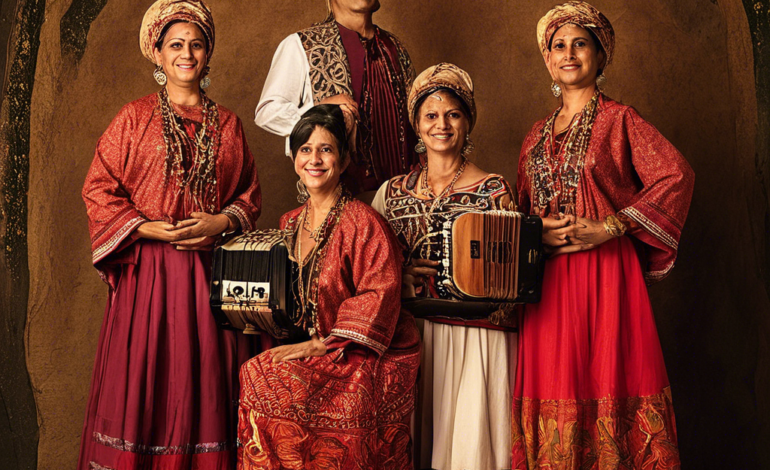
Tamburaški sastav represents a cherished tradition that bridges the past with the present, offering a melodious window into the cultural richness of regions where this type of ensemble flourishes. Rooted in history, these ensembles captivate audiences with the harmonious sounds of the tambura, a family of stringed instruments that play a pivotal role in their performances.
The significance of tamburaški sastav extends beyond mere entertainment; it embodies a deep-seated cultural identity and serves as a testament to the enduring appeal of folk music in modern times. Through their repertoire, which ranges from traditional folk songs to contemporary compositions, these bands maintain a vital connection to heritage while engaging with new generations of listeners.
This article explores the evolution of tamburaški sastav, from its historical origins to its place in contemporary music culture. It delves into the various instruments that make up these ensembles, highlighting their unique features and the roles they play within the group. The spotlight also extends to modern tamburaški sastav bands that have gained acclaim, showcasing how they adapt traditional sounds for today’s audiences without losing the essence that makes this music form so special. By providing an overview of these key areas, the article offers insight into the enduring popularity and cultural significance of tamburaški sastav, demonstrating its pivotal role in preserving and celebrating musical tradition.
History of Tamburaški Sastav
The origins of Tamburaški Sastav trace back to rural communities where music served as a cornerstone of social gatherings and cultural expression. These ensembles began forming in the early 19th century, initially comprising family members or close-knit villagers. The music played was deeply rooted in the traditions and daily lives of the people, reflecting both joyous celebrations and somber moments.
Key historical figures in the development of Tamburaški Sastav include influential musicians and composers who standardized the ensemble’s structure and repertoire. These pioneers crafted distinctive styles that blended local folk melodies with the formal elements of classical music, thus elevating the tambura from a folk instrument to a symbol of national cultural identity.
Over time, Tamburaški Sastav has evolved, incorporating new musical influences and technologies while maintaining its traditional essence. Modern ensembles often experiment with genres and arrangements, yet they continue to honor the historical significance of the tambura. This evolution demonstrates the adaptability of Tamburaški Sastav, ensuring its relevance and appeal across generations.
Instruments Used in Tamburaški Sastav
The ensemble of Tamburaški Sastav features a variety of traditional stringed instruments, each contributing uniquely to the harmonic and rhythmic fabric of the music.
Prim
The smallest and often lead instrument in the ensemble, the Prim, is known for its high-pitched, melodious sound. This pear-shaped instrument, similar in structure to the mandolin but with notable differences, primarily handles melody and harmony.
Brač
Slightly larger than the Prim, the Brač produces sounds one octave lower. Resembling a guitar in size and function, this instrument is pivotal for playing harmonizing melodies and often accompanies the Prim in lead roles.
Čelo
The Čelo, comparable in role to the orchestra’s cello, is adapted for Tamburaški Sastav by being held and played like a guitar. It enriches the ensemble with its deep tones, playing counter-melodies that weave through the higher pitches of the Prim and Brač.
Bugarija
Also known as Kontra, the Bugarija is akin to an acoustic guitar and is essential for maintaining rhythm within the group. It strums chords and occasionally employs tremolo techniques, adding depth and tempo to the ensemble’s sound.
Berda
The largest instrument in the group, the Berda, serves as the bass element. Played standing, it uses a pick or fingers to pluck its strings, providing the foundational beat that anchors the ensemble’s performances.
Modern Tamburaški Sastav Bands
Tamburaški Sastav Ponoć, established in February 2013, showcases a vibrant blend of music from Eastern Europe, focusing on Croatian, Bosnian, and Serbian tunes, enriched with influences from Gypsy, Macedonian, Bulgarian, Greek, Hungarian, and Italian styles. This ensemble, consisting of members who performed with the Duquesne University Tamburitzans, brings a fresh perspective to traditional tamburitza music, transitioning it from local community halls to international stages.
Tamburaški Sastav La Banda, formed in late 2013, merges traditional tambura music with contemporary genres including pop and disco, performing across Serbia and neighboring countries. Their diverse repertoire and dynamic performances have made significant contributions to the modern tamburaški sastav scene, engaging new audiences and revitalizing the genre.
Regional variations in tamburaški sastav music reflect the cultural diversity of the Balkans, with each ensemble bringing their unique interpretations and styles, thus preserving the rich musical heritage while innovating for contemporary appeal.
Conclusion
Throughout this exploration of Tamburaški Sastav, we’ve journeyed from its historical origins in the heart of rural communities to its prominent position in the modern music culture. By examining the unique array of instruments that harmonize to create the distinct sound of Tamburaški Sastav, as well as spotlighting modern ensembles that continue to innovate and preserve this musical tradition, this article has underscored the enduring appeal and cultural significance of these bands. Their ability to bridge the gap between past and present, while nurturing a deep connection with audiences across generations, indicates not just a celebration of tradition through music but also its evolution in contemporary settings.
The narrative of Tamburaški Sastav is one of resilience, adaptation, and profound cultural expression. Its sustained popularity and the vibrancy of its modern renditions are testimonies to the intrinsic value and timeless charm of this musical tradition. As this musical form ventures into future landscapes, it carries with it the promise of further innovation while holding steadfast to its roots, promising a rich tapestry of cultural heritage for future generations to explore. The journey of Tamburaški Sastav, from historic relevance to modern-day acclaim, continues to inspire a deeper appreciation for the power of traditional music in forging communal identities and transcending temporal boundaries.