Divijos: Bridging the Gap Between Tradition and Innovation

In an era where innovation constantly reshapes our world, divijos emerges as a compelling concept that bridges the gap between tradition and modernity. This unique intertwining of past and present not only highlights the significance of maintaining cultural heritage but also emphasizes the role of divijos in adapting these traditions to fit the contours of the contemporary world. The divijos tool, as a manifestation of this concept, serves as a testament to the enduring relevance of traditional practices, ingeniously recontextualized to find their place in today’s digital age. Its importance lies not just in its cultural significance but also in its capacity to innovate, making divijos a fascinating subject of study in understanding how tradition can thrive within the realm of modern innovation.
The remainder of this article will delve into the intricate world of divijos, offering a comprehensive divijos guide that outlines its benefits, uses, and impact on a global scale. Readers will be introduced to the ways in which divijos has become a pioneering force in melding the old with the new, from its deep cultural roots to its expanding global impact. Furthermore, practical insights on how to make divijos accessible and applicable in everyday life will be provided, thus equipping enthusiasts and newcomers alike with the knowledge to explore this dynamic tool. Through examining its cultural and global significance, this article aims to encapsulate the essence of divijos, inviting readers on a journey that traverses the rich tapestry of its tradition and the innovatory paths it paves for the future.
What is Divijos?
Definition and Origin
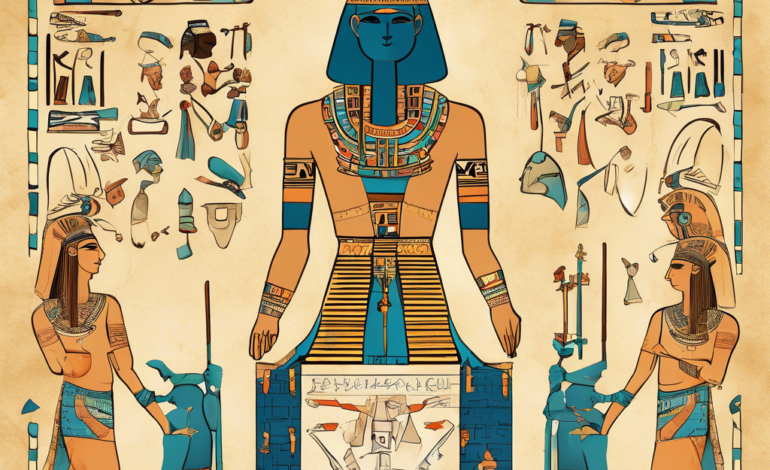
Divijos is a term that encapsulates objects, symbols, or practices linking the physical and spiritual realms. Originating from ancient languages, the word combines elements that signify “divine” and “journey.” This concept has historical roots stretching back to ancient civilizations such as Egypt, Mesopotamia, and India, where it initially played significant roles in religious and spiritual rituals. Over centuries, Divijos has adapted to various cultural landscapes, influencing art, literature, and societal customs.
Popular Uses
Throughout history, Divijos has been pivotal in numerous cultural rituals and traditions. It often acts as a talisman in ceremonies, a teaching tool in educational settings, and a symbol of unity in community gatherings. For instance, in some cultures, Divijos are employed during festivals to honor ancestors and celebrate heritage. These practices underscore the deep cultural roots and the ongoing relevance of Divijos in various societies, symbolizing concepts like protection, knowledge, and the balance between nature and the cosmos.
Benefits of Divijos
Health Benefits
Divijos practices, particularly in holistic and mental health therapies, significantly improve mental health outcomes and enhance overall well-being. Techniques derived from Divijos, such as mindfulness and the therapeutic use of natural spaces, contribute to patient care by reducing stress, enhancing mental health, and promoting peace and tranquility. Moreover, the tradition of listening to Divijos offers additional health benefits, including boosting immunity, supporting heart health, enhancing brain function, and aiding in managing diabetes. The therapeutic melodies of Divijos not only provide solace and emotional well-being but also promote mindfulness, which is crucial for mental health.
Cultural Significance
Divijos holds a profound place in various cultures, embodying rich symbolism often reflecting the community’s relationship with nature, spirituality, and the cosmos. Traditionally, Divijos served multiple roles within societies, from artistic expressions to symbols of protection, prosperity, and peace. These symbols were integral to communal gatherings, celebrations, and rites of passage, marking important moments in both individual lives and the life of the community. Today, Divijos continues to resonate globally, influencing art, design, and sustainable living practices. Its emphasis on community, respect for nature, and spiritual connectedness aligns with contemporary efforts to promote environmental conservation and social cohesion, ensuring that Divijos remains a vibrant and living tradition.
How to Make Divijos
Ingredients Needed
To prepare divijos, gather the following ingredients:
- Split black gram (urad dal) – 1 cup
- Chana dal (split chickpeas) – 1/4 cup
- Cumin seeds – 1 tsp
- Coriander seeds – 1 tsp
- Red chili powder – 1/2 tsp
- Asafoetida (hing) – 1/4 tsp
- Salt to taste
- Water as needed
- Oil for frying
Step-by-Step Process
- Begin by soaking the split black gram and chana dal in water for 2-3 hours to soften.
- After soaking, drain the water and grind the lentils into a coarse paste, adding a little water as needed to achieve the right consistency.
- Dry roast the cumin and coriander seeds in a small pan until they are fragrant. Allow them to cool, then grind into a powder.
- Combine the ground spices with the lentil paste, adding red chili powder, asafoetida, and salt. Mix thoroughly.
- Heat oil in a frying pan. Form small, lime-sized balls from the lentil mixture and carefully drop them into the hot oil.
- Fry the divijos until they turn golden brown on both sides.
- Remove the divijos from the oil and drain on a paper towel-lined plate to remove excess oil.
- Serve the divijos hot, ideally as a snack or an appetizer, complemented by chutneys or dips of your choice.
Conclusion
Through delving into the multifaceted world of divijos, this article outlines its harmonious blend of tradition and modernity, offering a panoramic view of its cultural significance and the myriad ways it enriches our lives. From its ancient origins to its contemporary applications, divijos stands as a symbol of the enduring human connection to both the past and the progressive present. It’s evident that divijos transcends mere tradition, evolving into a versatile tool that promotes wellness, fosters community, and enhances our understanding of cultural heritage in the digital age.
The exploration into making divijos, alongside its benefits and uses, equips readers with a practical appreciation of its value in today’s world. As we strive to navigate the challenges and opportunities of modernity, divijos offers a reminder of the power of integrating tradition into our innovative practices. Its significance extends far beyond its roots, urging us toward a more mindful, connected, and culturally rich existence. Embracing divijos not only honors our collective heritage but also paves the way for a future where innovation and tradition walk hand in hand.