Blunturi: An In-Depth Look for Newcomers

Navigating the nuances of blunturi can often feel like deciphering a code known only to those well-versed in its culture. Yet, understanding the blunturi meaning provides a fascinating lens through which to view both historical and contemporary social practices.
This exploration is not just about uncovering but also about appreciating its place in the tapestry of human traditions. It’s significance transcends its immediate definition, offering insights into broader cultural and societal dynamics.
This article aims to demystify the concept for newcomers, providing a comprehensive overview of its history and origin, various types, and the art of rolling. Additionally, it will cover the benefits and risks associated with its presence in modern culture, and succinctly conclude with a recapitulation of its significance.
By dissecting definition and examining its role beyond the pages of the urban dictionary, readers will gain a well-rounded understanding of this intriguing subject.
History and Origin of Blunturi

Early Beginnings and Cultural Context
In the 1990s, a shift was observed among youths who sought alternatives to the devastating impacts of heroin and crack observed in older inner-city residents. They gravitated towards blunts as their substance of choice, emphasizing the social aspect of sharing blunts and beer in a communal setting.
This choice was not only a reaction to the negative consequences associated with other drugs but also a statement against them. The decline in violent crime during the 1990s has been linked by many analysts to the end of the Crack Era and the rise in marijuana use, highlighting the societal impact of this shift.
Geographical Spread and Evolution
The practice of blunt smoking has its roots in the early 19th century, within certain cultural subsets, evolving from a niche practice into a widespread cultural phenomenon. Initially tied to countercultural movements, its acceptance into mainstream society was propelled by popular media and celebrity endorsements.
The Caribbean Sea, with islands like Jamaica and the Dominican Republic, played a crucial role in the early adoption of rolling marijuana in tobacco leaves, a practice believed to stem from a shortage of rolling paper or as a method to conceal marijuana.
This practice was later embraced in the United States, particularly in New York during the 80s and 90s, influenced by a wave of immigration from the Caribbean. The American tobacco industry’s introduction of the blunt, a cigar with a rounded tip and a tobacco mixture, further popularized this method.
Brands like Phillies Blunt became notable for their durable outer leaf and less harsh flavor, making them a preferred choice among users.
Types of Blunturi

Traditional Blunturi
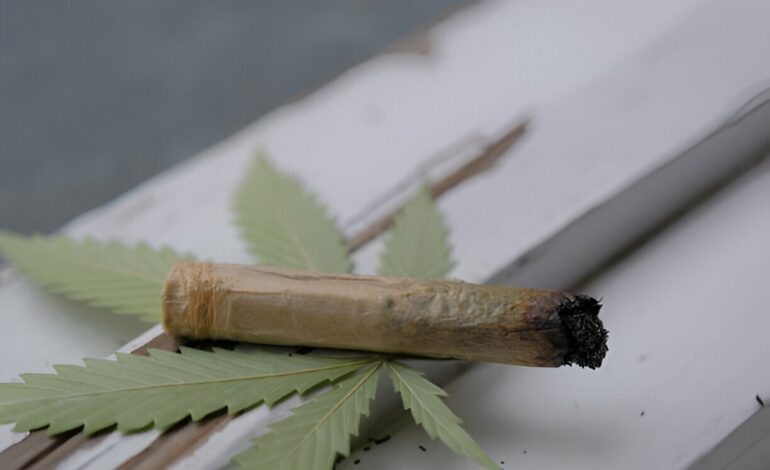
At its core, it is essentially a cannabis cigar, distinct from tobacco blunts which are recognized in the tobacco industry as cigars larger than cigarillos but smaller than coronas. The key difference lies in the filling; it is entirely packed with marijuana, regardless of the strain.
These often resemble tobacco cigars or cigarillos and are appreciated for their rich brown color and slow-burning nature due to the thick tobacco leaf wraps. Additionally, the wraps may come in various flavors like Honey Bourbon and Wild Rum, enhancing the smoking experience. Most enthusiasts prefer hand-rolling, though machines exist to simplify the process.
Modern Variations and Innovations
The evolution has seen the introduction of cannagars, a luxury variant that is essentially a cigar made entirely out of marijuana. Mimicking the slow burn and large amount of tightly compressed weed found in tobacco cigars, cannagars elevate the smoking experience.
They last significantly longer than traditional blunts and feature a smoother hit due to a hollowed core that allows for airflow. Many also come with mouthpieces to prevent moisture from affecting the wrap. Unlike blunt wraps that are typically made from compressed tobacco leaves, cannagars often utilize cannabis leaf wraps, offering a smoother hit and a more canna-friendly flavor profile.
The types available today showcase a spectrum from classic, straightforward rolls to intricate designs and flavors. Some are celebrated for their potency and purity, focusing on the natural aromas and effects of the cannabis.
Others incorporate flavored wraps or additional herbs to enhance the sensory experience, and special occasions may see the creation of elaborately designed, showcasing the roller’s skill and artistic vision.
How to Roll a Blunturi

Materials Needed
To begin rolling gather the following essentials:
- 1-3 grams of your preferred cannabis strain
- A blunt wrap or cigar to be emptied
- A grinder to achieve an even grind
- A sharp tool for splitting cigars
- A lighter for sealing and lighting the blunt
Step-by-Step Guide
Step 1: Prepare the Wrap
If using a cigar, split it lengthwise, remove the tobacco, and moisten the wrap slightly to make it pliable. For pre-made wraps, ensure they are moist enough to handle without tearing.
Step 2: Grind the Cannabis
Use a grinder to break down your cannabis to a medium consistency. Avoid over-grinding to prevent the blunt from burning too hot and fast.
Step 3: Fill the Wrap
Distribute the ground cannabis evenly along the wrap. If adding other components like tobacco or kief, mix them evenly with the cannabis.
Step 4: Roll the Blunt
Start by tucking and rolling the wrap around the cannabis, then continue rolling tightly from one end to the other to ensure an even shape and secure the contents.
Step 5: Seal the Blunt
Moisten the edge of the wrap and seal it. Dry the blunt slightly with a lighter or let it sit, ensuring it’s not too moist to smoke evenly.
Tips for Perfecting Your Technique
- Practice is key. The more you roll, the better your blunts will turn out.
- Ensure the wrap is not too dry or too moist. Adjust by moistening your fingers if necessary.
- Roll tightly to avoid air pockets but not so tight that it restricts airflow.
- Use high-quality cannabis and wraps for the best smoking experience.
Benefits and Risks

Recreational and Social Benefits
This smoking is deeply embedded in social interactions and cultural practices. It often serves as a social lubricant at gatherings, enhancing camaraderie and fostering meaningful conversations. This communal aspect is not just about sharing a blunt but also about the ritualistic experience it provides, which is steeped in tradition.
Enthusiasts take pride in the art of rolling and enjoy the enhanced sensory experience provided by the distinct flavors and aromas of the tobacco leaf wraps. Such activities strengthen bonds among friends and facilitate new social connections.
Health Considerations and Safety Precautions
While it offer a unique social and sensory experience, they also pose significant health risks. The combustion of tobacco leaves releases harmful chemicals and carcinogens that can affect respiratory health. Prolonged and frequent use can lead to respiratory issues, cardiovascular problems, and other adverse health effects.
To mitigate these risks, individuals are advised to consider harm reduction strategies such as using organic wraps free from additives, limiting frequency and quantity of use, and exploring safer alternatives like vaporization or edibles.
These precautions help in reducing exposure to harmful substances while still allowing for the enjoyment.
Blunturi in Modern Culture
Influence in Music and Media
- Pervasiveness in Popular Culture: It has long been featured in various forms of media, including movies, novels, and music, symbolizing rebellion and individuality. These appearances range from iconic movie scenes to classic songs, underscoring their cultural impact.
- Artistic Inspiration: Many artists and musicians draw inspiration from culture, using its imagery and symbolism in their works. This influence is particularly notable in genres like reggae, hip-hop, and jazz, where it is often depicted as muses that enhance creativity and foster community.
Cultural Significance and Trends
- Fashion and Design: In the fashion industry, blunturi have transcended their traditional roles, becoming symbols of style and identity. Designers incorporate motifs into clothing and accessories, catering to a lifestyle that values both elegance and rebellion.
- Community and Online Presence: It promotes a sense of belonging and community. Enthusiasts gather both offline and online, sharing experiences and advice through platforms like Instagram hashtags and Reddit threads, which serve as hubs for information exchange and cultural expression.
- Ritualistic and Social Roles: Beyond mere recreational use, it hold ritualistic importance in various non-religious settings, marking significant life events from celebrations to memorials. This ritualistic use emphasizes their role in fostering community and shared reverence.
By weaving through music, fashion, and community interactions, it continues to shape modern cultural landscapes, influencing a wide array of artistic and social practices.
Conclusion
Through this intricate exploration, we’ve unraveled the layers of blunturi culture, charting its evolution from a niche practice to a significant cultural phenomenon. The journey from its roots in the early 19th century to its widespread acceptance in modern-day society underscores the dynamic nature and its enduring appeal.
In presenting a comprehensive overview history, types, and the art of rolling, alongside its social impact and presence in contemporary culture, we’ve aimed to provide a thorough understanding that both informs and engages newcomers to this rich tradition.
The reflections on the benefits and risks associated, balanced with a look at its ritualistic and communal significance, invite readers to appreciate its complexity beyond mere recreation. As it continues to influence various aspects of modern culture, from music to fashion, it simultaneously fosters a community that values tradition, creativity, and shared experiences.