Kuyang: The Truth Behind Indonesia’s Most Mysterious Ghost

Among the rich tapestries of Indonesian folklore, the legend of Kuyang stands out as a chilling narrative that continues to captivate and terrify.
Originating from the island of Kalimantan, this supernatural entity is shrouded in mystery, making it not only a subject of local lore but also of interest to those fascinated by the paranormal worldwide.
The significance of this ghost in Indonesian culture cannot be overstated, as it embodies the complex interplay between belief, fear, and the supernatural that is prevalent in many societies.
With its eerie presence and the distinct sounds of suara kuyang echoing through the night, this ghost story captures the imagination in a way few others can.
This article explores the quest to learn the truth about one of Indonesia’s most mysterious ghosts. From understanding the supernatural entity and its origins to exploring its impact on modern-day Indonesian society, each section provides a comprehensive investigation of this mysterious ghost.
.
Personal accounts and sightings of the entity provide a glimpse into the real-life encounters that feed the legend, while a broader exploration of its cultural significance highlights how deeply rooted these beliefs are in the local tradition.
Through this journey into the unknown, readers will gain insights into the enduring power of folklore and the ways in which ancient myths continue to shape our understanding of the world around us.
The Fascinating Legend of Kuyang
Origins of the Kuyang Myth

The mysterious ghost is a spectral figure from Southeast Asian folklore. It is particularly prominent in Indonesian mythology, especially within the regions of Borneo.
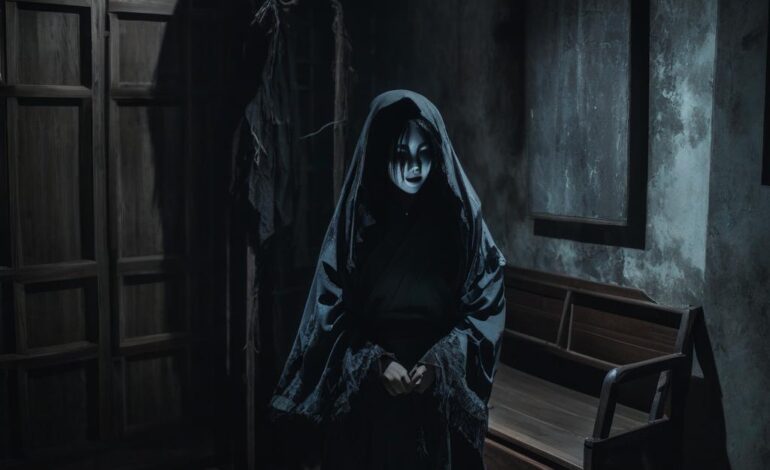
Described as a disembodied woman’s head with organs and entrails hanging from its neck, this ghost is believed to be a manifestation of a woman who has engaged in black magic.
By day, she appears as a normal human, but at night, transforms into this ghastly form to hunt for the blood of newborns or birthing mothers to maintain her youth and power.
Cultural Significance in Indonesian Folklore
In Indonesian culture, this ghost not only embodies the fear of the unknown but also serves as a cautionary tale against the dangers of dabbling in the dark arts. It is a potent symbol of the cultural anxiety surrounding themes of life, death, and the afterlife.
The legend is deeply embedded in the local traditions and is often used to teach moral lessons about the consequences of one’s choices and actions.

Comparisons with Other Southeast Asian Legends
This ghost shares similarities with various other entities across Southeast Asia, such as the Krasue in Thailand and the Penanggalan in Malaysia, both of which also feature a woman’s head with viscera trailing from the neck.
These legends highlight a common theme across the region—fear of the supernatural and the night. Each version reflects the unique cultural contexts of the countries, showing how folklore can serve as a mirror to societal values and fears.
Kuyang: Understanding the Supernatural Entity
Physical Description and Abilities
It is depicted as a terrifying figure in Indonesian folklore, primarily seen as a woman’s head with her internal organs and entrails hanging from the neck. This spectral entity is often associated with the sounds of suara kuyang, a distinct, eerie noise that marks its presence. It is said to slither on the ground, as described in recent sightings, adding to the ghost’s fearsome reputation.
The Transformation Process into Kuyang
Folklore suggests that this ghost was once a woman who lost her child and, driven by grief and dark magic, transformed into this ghostly entity. The transformation involves the woman’s head detaching from her body to roam at night, driven by a malevolent desire to harm pregnant women and newborns. This transformation is both a curse and a manifestation of unresolved sorrow and malice.
Beliefs and Protections against Kuyang
The fear of this ghost has led to various protective rituals within communities. It is believed that certain practices can prevent this mysterious ghost from causing harm, particularly to pregnant women.
Rituals often involve the use of items believed to repel this ghost or safeguard homes, such as placing thorny leaves around dwellings or using specific incantations to ward off the spirit. These cultural practices underscore the deep-rooted fear and the measures taken to protect against the supernatural threat.
Kuyang in Modern Day
Incorporation in Modern Media and Entertainment
This ghost, while rooted deeply in Indonesian folklore, has found its way into modern media and entertainment, reflecting its enduring presence in the cultural psyche. This spectral entity is often depicted in films and television shows, which not only perpetuates the legend but also modernizes its narrative for contemporary audiences.
The portrayal of this ghost in media serves as a bridge between traditional beliefs and modern entertainment, making it accessible to a younger generation and keeping the folklore alive.

Kuyang’s Role in Contemporary Indonesian Society
In contemporary Indonesian society, the belief in this ghost continues to influence daily practices and cultural rituals, especially among communities in Borneo.
For instance, certain traditional practices are adhered to prevent encounters with this ghost, such as the careful handling of menstrual blood and the use of protective amulets. These practices underscore the blend of ancient beliefs with modern lifestyles, highlighting how folklore continues to impact contemporary life in Indonesia.
Public Perceptions and Skepticism
While traditional beliefs hold strong, there is a growing skepticism among younger Indonesians, influenced by education and scientific rationalism. This demographic tends to view it’s stories with a critical eye, seeing them more as cultural heritage rather than literal truths.
However, this skepticism coexists with a fascination for the supernatural, propelling the legend of Kuyang into a topic of popular discussion and analysis in both academic and casual settings. This duality showcases the complex relationship modern society has with its folkloric past.
Personal Accounts and Sightings
Historical Accounts of Kuyang Encounters
Historical narratives from Borneo describe this ghost as a feared spectral presence, particularly in cities like Banjarmasin and Samarinda. These accounts often depict it as a ghostly head accompanied by internal organs, mirroring the terrifying descriptions found in other regional folklore such as Glundung Pringis and Leak.
The legend suggests that this mysterious ghost originated from individuals practicing black magic to achieve immortality, transforming at night to hunt for the blood of newborns or birthing mothers.

Recent Sightings and Investigations
In recent years, this ghost has been bolstered by various sightings and documented encounters.
For instance, a chilling event recorded on social media depicted a disembodied head near residential areas in East Kalimantan, intensifying local and online discourse about the existence of this ghost.
These sightings are often accompanied by video evidence, which, while stirring skepticism, also fuels local rituals designed to protect vulnerable populations, particularly pregnant women.
Analyzing the Credibility of These Accounts
The credibility of it’s sightings and accounts varies widely. Some believe these stories are integral to cultural heritage, while others view them through a lens of critical skepticism influenced by modern education and science.
Nonetheless, these personal and historical accounts form a rich tapestry that continues to influence the cultural and supernatural landscape of Indonesia, providing a deep insight into the community’s engagement with folklore and the supernatural.
Conclusion
Through the exploration of the Kuyang legend, a spectral narrative deeply embedded in Indonesian culture, we have journeyed from its mysterious origins and terrifying descriptions to its significant impact on modern-day society and media.
This supernatural entity not only captivates with its eerie presence but also serves as a poignant reminder of the cultural interplay between fear, tradition, and the supernatural in shaping societal values and practices.
The various personal accounts and protective rituals against this mysterious ghost reflect a community’s enduring engagement with folklore, highlighting the complex relationship between ancient myths and contemporary life.
As this journey into the heart of Indonesian folklore concludes, it becomes clear that the legend of Kuyang, with its rich tapestry of fear, tradition, and cultural significance, continues to wield a powerful influence over both the collective imagination and daily lives of those in its homeland.
The blend of skepticism and fascination that it sparks in modern society underscore the enduring allure of such legends, paving the way for further exploration and discussion.
This narrative not only enriches our understanding of Indonesia’s cultural heritage but also invites us to reflect on the universal significance of folklore in understanding human fears and desires.