Maslaaseen: A Culinary Tradition of Unity and Heritage

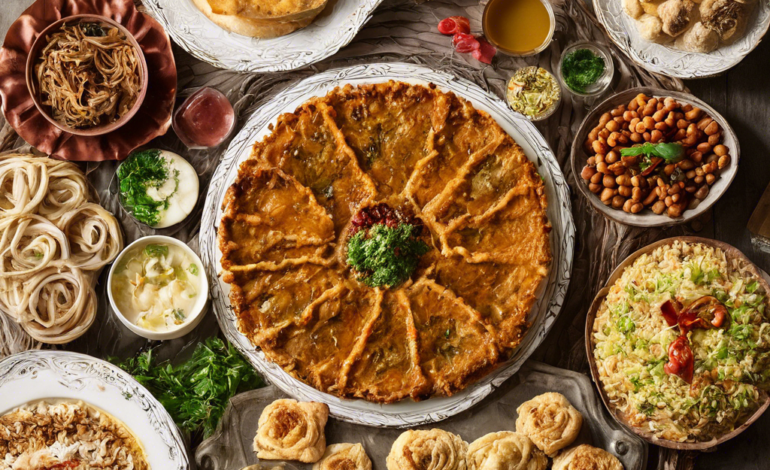
Maslaaseen, a culinary tradition steeped in history and rich in flavor, serves not only as a bridge between generations but also as a testament to the enduring power of cultural heritage.
As families gather to share these dishes, they partake in an age-old practice that has been passed down through countless generations, each adding their unique touch to recipes that encapsulate the essence of a community’s identity.
The significance of maslaaseen goes beyond mere sustenance; it is a symbol of unity, tradition, and a deep-rooted sense of belonging. This maslaaseen guide aims to explore the multifaceted nature of this culinary marvel, from its origins to its place in modern-day kitchens.
Historical Background of Maslaaseen
The Origins and Evolution
The art of blending spices and ingredients that defines Maslaaseen has ancient roots, tracing back to civilizations where culinary innovation flourished along the Silk Road.
This historic trade route was instrumental in the spread of spices and cooking techniques across continents, leading to the integration of these methods with local traditions and ingredients. Over generations, this melding of culinary practices gave rise to the diverse variations of Maslaaseen known today.
In the Middle East, Maslaaseen is more than just a dish; it is a reflection of the region’s rich history. Initially simple and hearty, Middle Eastern Maslaaseen evolved as trade routes expanded, bringing new spices and ingredients that added depth and complexity to the cuisine.
This evolution continued with each interaction through trade links, migration, and conquests, enriching the culinary landscape of the area.
Cultural and Historical Significance
Maslaaseen serves as a cultural marker, embodying the identity and traditions of the communities it originates from.
The preparation and sharing of Maslaaseen are often accompanied by storytelling, music, and rituals, enhancing its significance beyond mere nourishment to a symbol of social cohesion and cultural heritage.
In South Asia, Maslaaseen holds a revered place, often seen as more than food but a preservation of cultural identity. Despite global influences and the advent of fusion cuisine, maintaining the authentic flavors of Maslaaseen remains crucial, reflecting the dish’s deep cultural roots and its role in maintaining tradition.
Historically, Maslaaseen has also been a subject in folklore, poetry, and literature, often depicted as a dish of nobility and tradition. This portrayal extends to modern interpretations where Maslaaseen continues to influence literature, art, and even fashion, symbolizing a bridge between the past and present culinary traditions.
Cultural Significance of Maslaaseen
Symbolism and Community Value
Maslaaseen holds a special place in cultural traditions and celebrations, symbolizing warmth, hospitality, and the importance of community.
Serving Maslaaseen to guests is not merely about offering food; it is a gesture of generosity and goodwill that is deeply embedded in Middle Eastern cultures. This culinary tradition extends beyond the mere act of eating, fostering social bonds and expressing a shared heritage.
Throughout history, Maslaaseen has been celebrated in folklore, poetry, and literature as a representation of traditional values and cultural identity. Its depiction in folk tales often portrays it as a dish fit for kings and nobility, highlighting its status and significance in various societies. This rich cultural tapestry is woven into the very fabric of communities where Maslaaseen is more than just sustenance but a symbol of unity and cultural pride.
Traditions and Practices
Maslaaseen’s role in rituals, traditions, and ceremonies across different cultures underscores its pivotal position in maintaining cultural continuity. From culinary delights to religious ceremonies, Maslaaseen has become an integral part of various cultural practices around the world.
It is typically used as a seasoning mixture, adding depth and flavor to a wide range of dishes, from curries to marinades, making it a staple in culinary traditions.
The preparation techniques of Maslaaseen, handed down through generations, involve more than just culinary skills. They are a means of preserving heritage and strengthening familial bonds.
These traditional methods range from gentle strokes to targeted pressure points in the culinary process, ensuring that the essence of Maslaaseen is captured in every dish prepared. This continuity of traditional practices not only preserves the authentic flavors but also reinforces the cultural identity of the communities.
Popular Variations of Maslaaseen

Regional Differences
Maslaaseen, a dish deeply rooted in tradition, displays a remarkable diversity across different regions, each adding its unique twist to the classic recipe. In the Middle East, the dish often features a savory blend of tender meats and hearty vegetables, enriched with a symphony of spices like cumin, coriander, and cinnamon.
This region’s version emphasizes slow-cooking techniques, which allow the flavors to meld beautifully, creating a rich, cohesive taste experience.
Conversely, in South Asia, Maslaaseen is synonymous with vibrant curries and stews. Spices such as turmeric and chili dominate, offering a heat that is both invigorating and complex. The use of coconut milk in some areas introduces a creamy texture that balances the fiery spices. Here, Maslaaseen is not just food; it’s an expression of the region’s colorful culinary landscape.
Key Ingredients and Cooking Techniques
The essence of Maslaaseen lies in its ingredients and the meticulous process of its preparation. Commonly used spices include cumin, coriander, and turmeric, each selected for their ability to impart depth and complexity to the dishes. These spices are often blended with fresh herbs like parsley and mint, which introduce a burst of freshness that complements the robust flavors.
Proteins such as chicken, lamb, or beef are typically marinated in a mixture of these spices along with yogurt and citrus juices, which tenderize the meat and infuse it with rich flavors.
The cooking methods vary, from slow simmering in aromatic sauces to quick grilling over an open flame, each technique designed to enhance the natural flavors of the ingredients.
Incorporating ingredients like garlic, onions, and tomatoes creates a flavorful base that supports the complex layering of flavors typical in Maslaaseen dishes. Additionally, the inclusion of nuts such as pistachios and almonds adds a delightful crunch and richness to both savory and sweet preparations.
Through these regional variations and cooking techniques, Maslaaseen continues to be a dynamic and evolving cuisine, offering a palate of flavors that is as diverse as the cultures it represents. Each dish tells a story of its own, rooted in centuries-old traditions yet embracing modern culinary innovations.
Health Benefits of Maslaaseen

Nutritional Value
Maslaaseen, a rich blend of spices and ingredients, offers more than just flavor enhancement—it provides significant health benefits due to its nutritional components.
For instance, molasses, often used in Maslaaseen recipes, is a thick syrup that is notably higher in vitamins and minerals compared to other sweeteners.
A single tablespoon of molasses includes essential nutrients such as:
- Manganese (13%)
- Magnesium (12%)
- Copper (11%)
- Vitamin B-6 (8%)
- Selenium (6%)
- Potassium (6%)
- Iron (5%)
- Calcium (3%)
Despite its high sugar content, the presence of these minerals makes molasses a beneficial addition to the diet, though it should be consumed in moderation.
Spices and Their Wellness Properties
The spices used in Maslaaseen, such as turmeric, cumin, coriander, and cardamom, are not only pivotal for their flavor but also for their health benefits. Turmeric, known for its anti-inflammatory properties, contains curcumin, which helps combat inflammation and is beneficial for conditions like arthritis and inflammatory bowel disease. Similarly, cumin and coriander aid in digestion and can alleviate symptoms like bloating and indigestion.
Furthermore, many spices in Maslaaseen have antimicrobial and antioxidant properties that enhance immune function. For example, cloves and cinnamon are known for their immune-boosting compounds, which protect against seasonal infections.
Additionally, fenugreek and cinnamon help regulate blood sugar levels, making them particularly valuable for individuals with diabetes or those seeking to maintain stable blood sugar.
The use of these spices extends beyond culinary applications; they are integral in promoting overall health by enhancing metabolic functions and supporting various body systems.
For instance, spices like black pepper and ginger are noted for increasing metabolism and aiding in weight management. Moreover, the antioxidant and anti-inflammatory properties of many spices used in Maslaaseen contribute to cardiovascular health by maintaining healthy cholesterol levels and reducing the risk of heart diseases.
By incorporating Maslaaseen into meals, individuals not only enjoy a burst of flavor but also contribute positively to their health, making it a worthy addition to a balanced diet.
Homemade Maslaaseen Recipe

Step-by-Step Guide
Creating homemade Maslaaseen begins with selecting the right ingredients and understanding the process. Here is a detailed guide to help you master this culinary delight:
- Selecting Ingredients: Begin by choosing high-quality, fresh spices like cumin, coriander, turmeric, and cardamom. These are essential for achieving the authentic flavors of Maslaaseen.
- Preparation of Spices: Toast the spices slightly in a dry pan to release their aromatic oils. This step enhances the flavor profile of the Maslaaseen.
- Grinding Spices: Once cooled, grind the spices into a fine powder using a spice grinder or mortar and pestle. This powder forms the base of your Maslaaseen mix.
- Mixing Ingredients: In a large bowl, combine the ground spices with additional ingredients like minced garlic, grated ginger, and finely chopped herbs such as parsley and mint.
- Marinating: Use this mixture to marinate proteins like chicken, lamb, or beef. Ensure the meat is well-coated and let it marinate in the refrigerator for at least a few hours, preferably overnight, to absorb all the flavors.
- Cooking: Cook the marinated meat according to your preference—grilled, roasted, or stewed. Each method offers a different texture and taste but retains the essence of Maslaaseen.
- Serving: Serve the cooked Maslaaseen with a side of fragrant basmati rice, naan bread, or fresh salads to complement the rich flavors of the spices.
Customization Tips for Dietary Preferences
To accommodate various dietary needs, here are some customization tips:
- Gluten-Free Options: For a gluten-free version of Maslaaseen, ensure all spices and marinades are free from gluten contaminants. Use gluten-free alternatives like chickpea flour or a pre-mixed gluten-free flour for any breading or thickening needs.
- Vegetarian and Vegan Variations: Substitute meat with plant-based proteins such as tofu, tempeh, or a medley of hearty vegetables like eggplant and zucchini. Marinate and cook them the same way as the meat options to enjoy a vegetarian or vegan Maslaaseen.
- Low-FODMAP Adaptations: For those following a low-FODMAP diet, modify the ingredient list by avoiding high-FODMAP foods like garlic and onions. Instead, use garlic-infused oils and the green parts of spring onions to maintain the flavors without the fructans.
- Allergy-Friendly Modifications: Avoid common allergens such as nuts, dairy, and soy by substituting suitable alternatives. For instance, use nut-free oils, dairy-free yogurts for marinades, and soy-free sauces.
By following these guidelines, you can prepare a delicious and inclusive Maslaaseen dish that caters to a variety of dietary preferences, ensuring everyone can enjoy this rich and flavorful culinary tradition.
Tips for Enjoying Maslaaseen
Experimenting with Fillings and Shapes
Maslaaseen offers a versatile canvas for culinary creativity, allowing individuals to experiment with a variety of fillings and shapes. This adaptability not only enhances the dining experience but also caters to personal tastes and dietary preferences.
For instance, incorporating different proteins such as chicken, lamb, or vegetarian options like tofu can transform the traditional Maslaaseen into a dish that resonates with diverse palates. Additionally, experimenting with shapes, such as making bite-sized versions for appetizers or larger, stuffed forms for main courses, can add an element of fun and novelty to meals.
Pairing with Sides and Beverages
To elevate the Maslaaseen experience, pairing it with appropriate sides and beverages is crucial. A well-chosen side dish, such as a light salad or aromatic rice, can complement the rich flavors of Maslaaseen, balancing its intensity and adding layers of texture and taste. When it comes to beverages, selecting the right wine or drink enhances the overall meal. For instance, a robust red wine like Chianti or Merlot pairs beautifully with tomato-based Maslaaseen dishes, as their acidity and fruitiness harmonize with the spices.
For non-alcoholic options, a cool homemade lemonade or a sparkling water like San Pellegrino can refresh the palate, especially when enjoying spicy variants of Maslaaseen. After the meal, serving a strong espresso can be a delightful way to conclude the culinary journey, offering a stark, invigorating contrast to the deep, complex flavors of the dishes.
Conclusion
The rich tapestry of history, flavors, and traditions that maslaaseen represents adds a profound depth to our understanding of culinary heritage and its role in bridging generations. By delving into the origins, variations, and health benefits of maslaaseen, alongside providing practical tips for its preparation, this guide invites readers to not only appreciate but actively partake in the preservation and innovation of this cherished culinary tradition.
As we reflect on the enduring legacy of maslaaseen, it’s clear that its significance extends far beyond the ingredients and recipes; it embodies the essence of community, identity, and continuity. Encouraging the exploration of maslaaseen in our kitchens serves not just as an endeavor to keep traditions alive but also as an opportunity to create new memories and connections. This journey through maslaaseen’s past, present, and future not only honors the rich cultural heritage it represents but also opens doors to a world where tradition and innovation coexist, inviting each of us to be part of its continuing story.